Are Frozen Meals Healthy? The Truth About Snap-Frozen Food

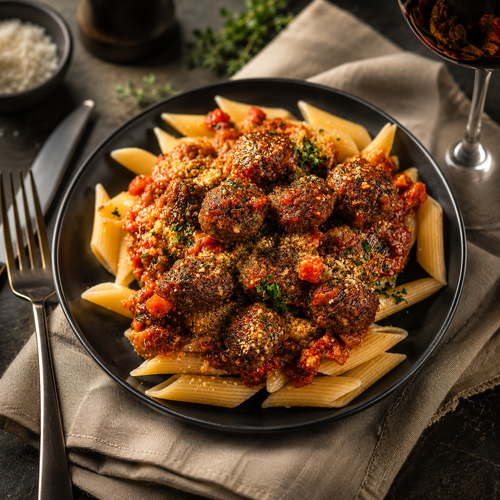
Colourful home-style frozen meal with vegetables and protein on a plate

Are frozen meals healthy? They absolutely can be, and the "frozen equals lesser" idea is one of the most stubborn food myths going around. The health of a frozen meal comes down to two things: what's actually in it, and how it was frozen. A meal made from real ingredients and snap-frozen at peak freshness keeps its flavour and nutrition remarkably well, without needing preservatives. What isn't so healthy is the highly processed, additive-heavy stuff people often picture. Below we bust the fresh-versus-frozen myth and explain what to look for so you can judge any frozen meal with confidence.

Are frozen meals healthy, or is fresh always better?

"Fresh" sounds automatically healthier, but it's not that simple. Fresh food starts losing nutrients from the moment it's harvested or cooked, and a "fresh" ready meal can sit in transit and on a shelf for days. Snap-freezing, on the other hand, hits pause at peak freshness. So a well-made frozen meal can hold onto its nutrition just as well as a freshly cooked one, sometimes better than a "fresh" option that's been hanging around.

  • Fresh isn't a nutrition guarantee — time, light and heat all degrade nutrients.
  • Freezing pauses the clock — nutrients are largely locked in at the point of freezing.
  • Ingredients decide the outcome — a meal is only as healthy as what goes into it.

How snap-freezing locks in nutrition

Snap-freezing means chilling food quickly rather than slowly. Fast freezing forms smaller ice crystals, which do less damage to the food's structure, so texture, flavour and nutrients are better preserved when you reheat. Our meals are chef-made in an MPI-registered kitchen in Mount Maunganui, then snap-frozen at peak freshness. Because the cold does the preserving, we don't need to add preservatives to keep them good.

Tip: When you're weighing up any frozen meal, read the ingredients list first. Short, recognisable ingredients are a better sign of a healthy meal than the word "fresh" on the front of the pack.

What actually makes a frozen meal healthy

The freezing method preserves quality, but the meal itself is what nourishes you. Here's what to look for.

  • Real, recognisable ingredients rather than a long list of additives.
  • A sensible balance of protein, vegetables and carbohydrate.
  • Portioning that suits you — options like low carb, keto, low cal, high protein, gluten free and dairy free help you match a meal to your needs.
  • Home-style cooking you'd recognise from your own kitchen.
A balanced home-style frozen meal with vegetables, protein and grains
A healthy frozen meal comes down to real ingredients and a sensible balance on the plate.

Common frozen-meal myths, busted

  • "Frozen means loaded with preservatives." Not when it's snap-frozen at peak freshness — the cold does that job.
  • "Freezing kills the nutrients." Freezing largely preserves them; it's slow deterioration over time you want to avoid.
  • "Frozen meals are all heavily processed." That depends entirely on the ingredients, not the fact that it's frozen.
  • "Fresh always wins." A "fresh" meal that's been sitting for days can lose more nutrients than one snap-frozen at its best.

Choosing meals that fit your goals

Healthy also means suitable for you. Whether you're after higher protein, fewer carbs or a gluten-free or dairy-free option, choosing meals that match your goals makes eating well far easier on a busy week. Our home-style lunch and dinner meals are cooked to be genuinely enjoyable, not just convenient, so healthy eating doesn't feel like a compromise.

Are frozen meals healthy?

They can be very healthy. It depends on the ingredients and how the meal was frozen. A meal made from real ingredients and snap-frozen at peak freshness keeps its nutrition well, without preservatives.

Does freezing destroy nutrients?

No. Freezing largely locks nutrients in at the point of freezing. It's slow deterioration over long periods that reduces quality, which is why we recommend eating within three months.

Are frozen meals less healthy than fresh?

Not necessarily. "Fresh" food loses nutrients over time, so a snap-frozen meal can hold its nutrition as well as, or better than, a fresh option that's been sitting for days.

Do your meals contain preservatives?

No. Because we snap-freeze at peak freshness, no preservatives are needed to keep the meals good.

Can frozen meals fit a specific diet?

Yes. We offer low carb, keto, low cal, high protein, gluten free and dairy free options so you can match meals to your goals.

Where are your meals made?

They're chef-made in an MPI-registered kitchen in Mount Maunganui, then snap-frozen and delivered chilled nationwide across NZ.

Related reading & where to order

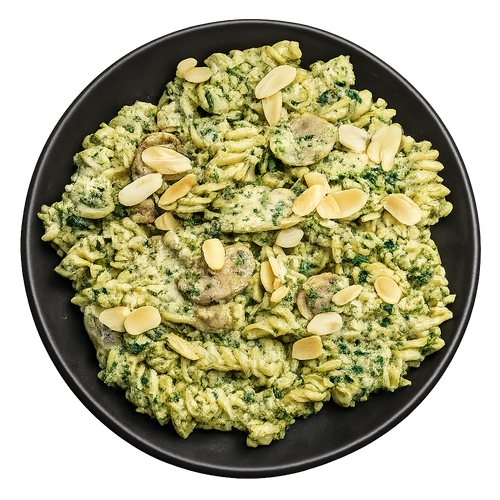
Colourful home-style frozen meal with vegetables and protein on a plate
Nutrition

Are Frozen Meals Healthy? The Truth About Snap-Frozen Food

By The Family Kitchen29 August 20263 min read
★★★★★Loved by 100s of Kiwi familiesACC-approved provider
Browse the menu

Are frozen meals healthy? They absolutely can be, and the "frozen equals lesser" idea is one of the most stubborn food myths going around. The health of a frozen meal comes down to two things: what's actually in it, and how it was frozen. A meal made from real ingredients and snap-frozen at peak freshness keeps its flavour and nutrition remarkably well, without needing preservatives. What isn't so healthy is the highly processed, additive-heavy stuff people often picture. Below we bust the fresh-versus-frozen myth and explain what to look for so you can judge any frozen meal with confidence.

Are frozen meals healthy, or is fresh always better?

"Fresh" sounds automatically healthier, but it's not that simple. Fresh food starts losing nutrients from the moment it's harvested or cooked, and a "fresh" ready meal can sit in transit and on a shelf for days. Snap-freezing, on the other hand, hits pause at peak freshness. So a well-made frozen meal can hold onto its nutrition just as well as a freshly cooked one, sometimes better than a "fresh" option that's been hanging around.

  • Fresh isn't a nutrition guarantee — time, light and heat all degrade nutrients.
  • Freezing pauses the clock — nutrients are largely locked in at the point of freezing.
  • Ingredients decide the outcome — a meal is only as healthy as what goes into it.

How snap-freezing locks in nutrition

Snap-freezing means chilling food quickly rather than slowly. Fast freezing forms smaller ice crystals, which do less damage to the food's structure, so texture, flavour and nutrients are better preserved when you reheat. Our meals are chef-made in an MPI-registered kitchen in Mount Maunganui, then snap-frozen at peak freshness. Because the cold does the preserving, we don't need to add preservatives to keep them good.

Tip: When you're weighing up any frozen meal, read the ingredients list first. Short, recognisable ingredients are a better sign of a healthy meal than the word "fresh" on the front of the pack.

What actually makes a frozen meal healthy

The freezing method preserves quality, but the meal itself is what nourishes you. Here's what to look for.

  • Real, recognisable ingredients rather than a long list of additives.
  • A sensible balance of protein, vegetables and carbohydrate.
  • Portioning that suits you — options like low carb, keto, low cal, high protein, gluten free and dairy free help you match a meal to your needs.
  • Home-style cooking you'd recognise from your own kitchen.
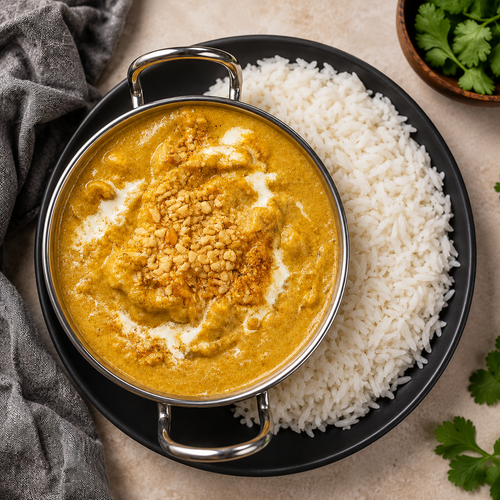
A balanced home-style frozen meal with vegetables, protein and grains
A healthy frozen meal comes down to real ingredients and a sensible balance on the plate.

Common frozen-meal myths, busted

  • "Frozen means loaded with preservatives." Not when it's snap-frozen at peak freshness — the cold does that job.
  • "Freezing kills the nutrients." Freezing largely preserves them; it's slow deterioration over time you want to avoid.
  • "Frozen meals are all heavily processed." That depends entirely on the ingredients, not the fact that it's frozen.
  • "Fresh always wins." A "fresh" meal that's been sitting for days can lose more nutrients than one snap-frozen at its best.

Choosing meals that fit your goals

Healthy also means suitable for you. Whether you're after higher protein, fewer carbs or a gluten-free or dairy-free option, choosing meals that match your goals makes eating well far easier on a busy week. Our home-style lunch and dinner meals are cooked to be genuinely enjoyable, not just convenient, so healthy eating doesn't feel like a compromise.

Are frozen meals healthy?

They can be very healthy. It depends on the ingredients and how the meal was frozen. A meal made from real ingredients and snap-frozen at peak freshness keeps its nutrition well, without preservatives.

Does freezing destroy nutrients?

No. Freezing largely locks nutrients in at the point of freezing. It's slow deterioration over long periods that reduces quality, which is why we recommend eating within three months.

Are frozen meals less healthy than fresh?

Not necessarily. "Fresh" food loses nutrients over time, so a snap-frozen meal can hold its nutrition as well as, or better than, a fresh option that's been sitting for days.

Do your meals contain preservatives?

No. Because we snap-freeze at peak freshness, no preservatives are needed to keep the meals good.

Can frozen meals fit a specific diet?

Yes. We offer low carb, keto, low cal, high protein, gluten free and dairy free options so you can match meals to your goals.

Where are your meals made?

They're chef-made in an MPI-registered kitchen in Mount Maunganui, then snap-frozen and delivered chilled nationwide across NZ.
Related reading & where to order

Written by The Family Kitchen
← All articles

Sorted for tonight's dinner

Chef-made meals, dispatched snap-frozen in insulated packaging across New Zealand.

Hungry? We've got dinner sorted

Chef-made meals, dispatched snap-frozen in insulated packaging across New Zealand. Pick your favourites and we'll do the rest.

Browse the menu